Wild animals don’t read property lines, and when the weather changes or food sources shift, they test our homes. I’ve crawled through attics where raccoons nested above nurseries, coaxed squirrels out of laundry rooms, and sealed rooflines that had turned into bat highways. The work sits at the intersection of biology, building science, and family life. When children and pets are in the mix, the margin for error narrows. Safety isn’t an add-on, it is the plan.
This guide distills the practices I rely on during nuisance wildlife management and wildlife pest control, with an eye toward homes that hum with kid energy and wagging tails. The aim is practical: what to do before, during, and after wildlife removal, how to choose methods that minimize risk, and how to talk with professionals so you get a result that protects your household without harming local ecosystems.
Why child and pet safety takes a front seat
Wildlife problems often start quietly. A thump in the wall, a pile of insulation fluff on the garage floor, an ammonia tang drifting from the attic hatch. The animals behind those signs are not villains. They are simply seeking shelter or food. That said, a raccoon mother defending kits can injure a curious dog; a startled squirrel can bite a child’s hand; bat guano can aerosolize and aggravate respiratory conditions. Parasites and pathogens complicate things further. Raccoons can carry roundworm, skunks can carry rabies, and even seemingly benign species bring fleas or ticks indoors.
On the other side of the ledger, many common control tools can injure a pet or present hazards to toddlers who explore the world hands-first. An unsecured cage trap looks like a toy to a preschooler. Repellent sprays can irritate pet paws and lungs. Disinfectants and sealants used during cleanup need time to cure and off-gas. Safety means shaping the entire wildlife control process around how kids and animals move through a home.
Start with identification, not assumptions
I rarely set a trap before I read the signs. The species dictates the risk profile and the remedy. Squirrel removal differs from raccoon removal, which differs again from bat removal. Each animal has a distinct denning season, nesting preference, and escape behavior. Children and pets alter those dynamics because noise, scent, and activity can either push wildlife deeper into a structure or lure it into the open.
Listen for patterns. Squirrels run during daylight, with sharp, quick scampers that start around dawn. Raccoons keep later hours, heavier steps with pauses for rummaging. Bats chirp and tick, then exit shortly after sunset. Look for droppings, grease rubs near entry points, chewed wiring, or torn soffits. A professional performing wildlife control should confirm species by sign, camera, or thermal imaging before making a plan. Guesswork leads to the wrong tools, which leads to avoidable hazards.
What professionals should ask when kids and pets are present
If your wildlife removal provider doesn’t ask about children and pets, raise the topic yourself and insist on a plan. A thorough intake covers:
- Ages of children and how they move through the home, including crawl spaces, loft beds, garage play zones, and favorite hiding spots. Pets by species, size, and temperament. A calm 12-year-old cat is not the same as a rescue hound that opens baby gates with his nose. Allergy and asthma considerations. Bat guano dust, rodent dander, and common disinfectants can trigger flares. Daily rhythms. Nap times, school runs, and backyard play windows help schedule noisy work and set quiet hours that keep bat maternity colonies stable before exclusion.
Those details influence everything from trap placement to exclusion timing. When raccoons have kits, for example, we prioritize one-way doors only after confirming the young are mobile, or we perform hands-on den removal if the kits are too small to leave on their own. Either way, we build a plan that never places a device where a child can touch it or a dog can investigate it.
Choosing methods with the lowest reasonable risk
Ethical nuisance wildlife management leans first on prevention and wildlife exclusion, then on removal if necessary. Poison baits have no place in homes with pets or children. They create secondary poisoning risks for predators and scavengers, and they leave carcasses in inaccessible voids that breed flies and smell for weeks.
Bats illustrate the exclusion-first approach. In my region, bat removal is almost always non-lethal and seasonal. We wait until young can fly, then install one-way devices at exit points and seal all secondary gaps. No traps, no poisons, no panic. The kids keep sleeping, the dog stays out of the attic, and the bats find a new roost outdoors.
Squirrel removal rides a similar track, though squirrels are persistent gnawers and will test weak seals. We time the work to avoid trapping dependent young inside. For raccoon removal, we combine den checks, heavy-gauge one-way doors, and, when needed, humane wildlife trapping with anchored cages that can’t tip or roll. Every device is labeled, locked, and placed behind barriers that a toddler or terrier cannot breach.
Creating safe zones before work begins
Preparation prevents most accidents. The hour spent staging your home pays off once the wildlife control starts. I ask families to pick one indoor zone and one outdoor zone that will stay clear during work hours. Indoors, that might be a playroom with a closable door and an air purifier. Outdoors, a far corner of the yard away from known entry points.
Close attic hatches with temporary latches kids cannot open. If inspection requires attic access, stash the ladder immediately after use. Keep pets on leashes or in crates during any part of the visit that involves doors and gates opening. I’ve watched a cat sprint into a garage during an attic inspection, then slip into a rafter bay through a small gap. That added two hours to a simple job.
If the home will need disinfection after wildlife removal, move baby gear, pet bowls, and soft toys well away from the treatment area. Bag stuffed animals and blankets, then launder them after the work. Set expectations with children: explain that workers are helping the animals find a better home outside and that closed doors and cones mean no entry. Kids respect rules better when they understand the reason.
What safe trap placement looks like
I think about traps the way parents think about detergents and medicine. Out of sight, out of reach, and clearly labeled. In living spaces, traps belong behind locked closets, in crawlspaces, or in areas with hard physical barriers. Indoor cage traps should be tethered to framing so a pet cannot drag them out. For exterior trapping, I prefer lockable trap boxes or heavy cages cable-locked to posts or eye bolts. Visual screening helps deter curiosity from next-door kids who see equipment over the fence.
Bait selection matters too. Fish-based raccoon lures can attract pets. In a yard with dogs, I switch to pastes formulated to be less appealing to canines, or I position traps behind low fencing that a raccoon can climb over but a dog will not. The trade-off is clear: increased setup time and sometimes slower catches, in exchange for dramatically lower risk.
When not to trap, and why
Some situations call for skipping wildlife trapping entirely. During bat maternity season, exclusion devices are the professional standard. For squirrels with neonate young, prematurely trapping the mother creates orphaned kits and odor problems. Raccoons in chimneys sometimes leave on their own after we place a chimney cap and encourage discomfort with light and sound, then we remove the kits by hand if they remain. These choices reduce stress, avoid collateral harm, and keep pets from encountering frantic adult animals inside the structure.
There are also neighborhoods where poisons circulate somewhere, despite best practice. If your dog or cat roams and your wildlife problem is rodent-related, ask your neighbors what they use. Secondary poisoning from someone else’s bait can mimic symptoms that you might mistakenly tie to a control device on your property. Coordinating with neighbors reduces surprises.
Decontamination that respects developing lungs and sensitive paws
The cleanup phase carries its own risks. Guano, urine, and nesting materials harbor mold spores and pathogens. I use negative-air machines with HEPA filtration when removing bat guano or heavy rodent contamination. With kids in the home, we schedule that work while they are at school or daycare. Pets stay off-site if possible.
Disinfectants vary in potency and dwell time. Hydrogen peroxide blends and quats are common, but some formulations off-gas more than others. Ask your provider for Safety Data Sheets and request products labeled for use in occupied spaces. If anyone in the home has asthma, schedule an extra hour of ventilation post-application. Replace contaminated insulation rather than trying to salvage it, especially over bedrooms and playrooms. The long-term respiratory benefit outweighs the cost.
Floor-level risks deserve attention. Even after we sanitize, residues can irritate pet paws or a crawling toddler’s skin. A final rinse or wipe-down on hard surfaces, plus a day of socks-only rules for the kids, reduces that risk to near zero.
Communication with kids: clarity beats fear
I’ve seen parents underplay wildlife issues to avoid scaring children. A better approach is simple language and concrete rules. Explain that the workers will help the animals leave, and that doors with tape or cones mark places that must stay closed. Let the kids pick a “wildlife work day” activity box for the safe room. Reward the rule-following. Children who feel included are less likely to sneak a peek where they shouldn’t.
For teens, be explicit about photos and social media. Posting a trap location can bring neighborhood visitors to your yard and invite mischief. Privacy also protects the animals from harassment while they are guided out.
Dogs and cats: the most common safety snags
More accidents involve pets than children. Dogs smell bait, hear movement in walls, and want to investigate. Cats squeeze into spaces we forget exist. If you cannot crate or confine them, plan daily windows when the technician is on-site and the animals are physically elsewhere. A one-hour dog walk during exterior trap checks can prevent a lifetime of regret.
Feeding routines matter. Keep pet food indoors and pick up bowls immediately after meals. Wildlife already found a way in; don’t give them a buffet that keeps them testing the perimeter. Secure litter boxes too. Raccoons are curious and will enter garages to explore any scent-rich spot.
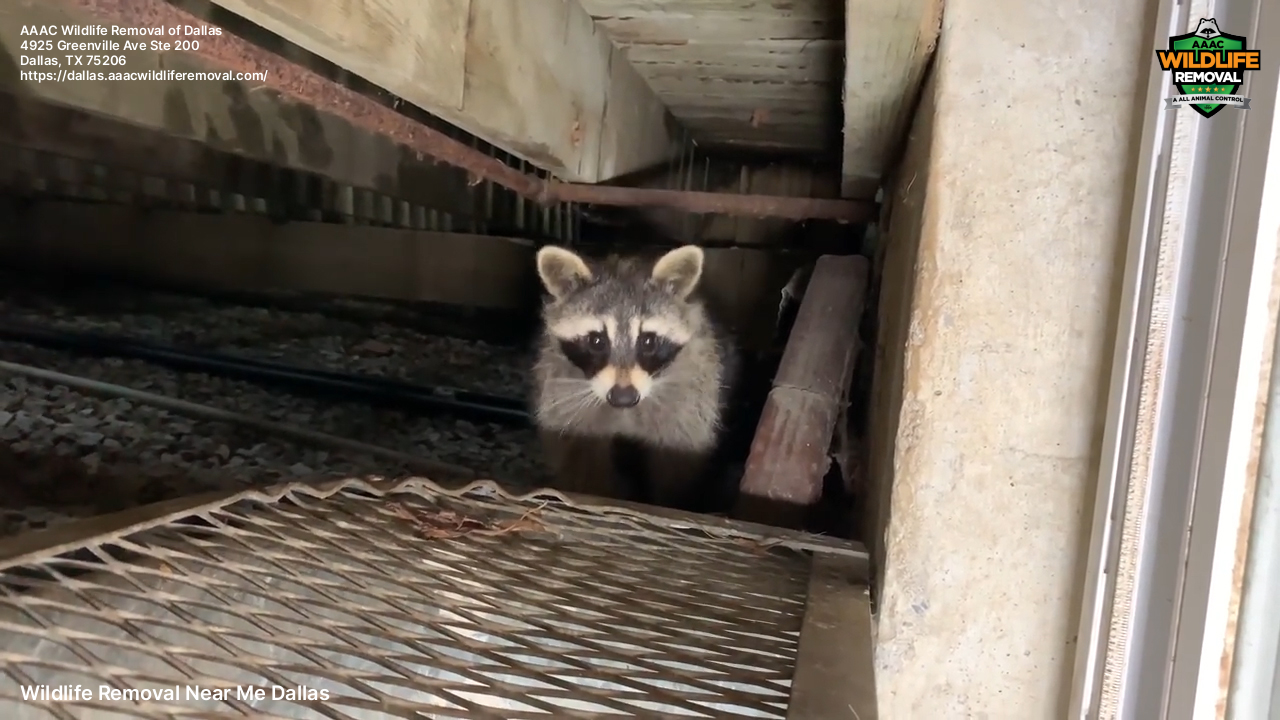
After removal, exclusion is the real victory
Wildlife exclusion turns a fix into a solution. I measure success six months later during the next cold snap. We seal with hardware cloth, metal flashing, chimney caps, and wildlife-rated vent covers. Caulk might stop a draft, but it will not stop a squirrel determined to return to a nursery site. Where rooflines meet siding, metal is your friend. For ground-level gaps, concrete and stone resist digging better than soil infill. When I quote exclusion, I map the entire structure and mark areas by risk. Families appreciate seeing how kid gates and dog runs intersect with potential entry points.
This is also where construction meets biology. Bats squeeze through finger-width gaps. Squirrels chew fresh wood better than old hardwood. Raccoons test flimsy soffit returns and attic fans. If we repair with materials that look fine but fail under a single season of weather, the cycle restarts. It is cheaper long-term to install the correct materials once than to repeat wildlife removal each year.
Seasonal timing reduces stress and risk
I plan aggressive exclusion during windows when young are independent. Late summer and early fall often work well. Spring demands more caution because denning and nesting peak. Winter removal in cold climates carries a welfare cost for animals driven into harsh weather right after eviction. A measured schedule protects wildlife while safeguarding your household. When kids or pets have health vulnerabilities, we may adjust the timeline and use temporary deterrents until the safe season arrives.
How to vet a wildlife control provider
Credentials and attitude matter more than vehicle graphics. Look for companies that:
- Prioritize inspection, identification, and wildlife exclusion before trapping, and explain why. Provide written safety protocols specific to children and pets, including device placement, labeling, and check intervals. Use species-appropriate, humane methods and follow seasonal restrictions for bat removal and other protected species. Share product information for disinfectants and sealants, and agree to schedule work around your family’s needs. Offer photographic documentation of entry points and repairs so you can verify quality without peeking into unsafe spaces.
The tone of the first visit reveals a lot. If a technician rushes, dismisses your pet concerns, or pushes poisons as the primary solution, keep looking. Good wildlife control feels like a conversation, not a transaction.
Special cases and edge conditions
Not every home fits the textbook. Here are situations where safety planning needs extra nuance.
Homes with toddlers and open floor plans. Without doors to isolate work areas, we construct temporary barriers using freestanding panels and childproof gates. We schedule ladder use only when a second adult is present to spot, because toddlers are fast and ladders attract them like magnets.
Multi-pet households. The best approach is staged work. We inspect and seal in segments, rotating pets through rooms or crates. Fewer moving parts at a time means fewer near misses.
Allergy-prone families. We replace more insulation, run HEPA filtration longer, and prefer low-VOC sealants. We also coordinate with pediatricians when severe asthma is on file, providing SDS sheets in advance.
Historic homes. Old structures have beautiful, irregular lines that animals love. We use reversible methods and color-matched metals approved by local preservation boards. The safety trade-off is schedule length. Expect more days on-site, with stricter child and pet routing to avoid open walls or soffits.
Rural properties with livestock guardian dogs. These dogs are smart and persistent. We sometimes build temporary fenced enclosures around exterior trapping zones to keep them out. That slows trapping but prevents injured paws and broken teeth from challenging cages.
A realistic view of risk
Numbers help set expectations. In family homes we service, nearly all reported injuries relate to curiosity collisions: a dog nose in a raccoon cage, a finger in a baited device, a slip on a ladder. Bite incidents are rare when families follow confinement and do-not-touch rules, and when technicians place traps with barriers. Disease transmission inside homes Click here for more is rarer still, but we treat guano and urine as hazardous until lab-verified otherwise. That mindset keeps standards high.
The bigger everyday risk is shortcut repairs that re-invite wildlife. If you spend on removal but skimp on exclusion, children and pets end up sharing space with new intruders next season. That means fresh contaminants, chewed wires, and renewed hazards. A resilient seal is, by definition, a safety feature.
Practical day-of checklist for families
- Confine pets to crates or off-site, and close interior doors to create a predictable path through the home. Move baby gear, pet bowls, and soft toys out of work zones; cover aquariums and turn off air pumps if dust is expected. Explain boundaries to kids in simple terms, then mark off-limits doors with tape or signs they helped make. Plan a quiet activity away from the work area, and set snack and bathroom stations so children do not wander. After the visit, ventilate treated spaces, wipe low surfaces, and do a quick sweep for dropped screws or staples before kids and pets re-enter.
What life looks like after a good job
The most satisfying calls come a month after the last ladder leaves. Parents say the house sounds different, more settled. The dog naps instead of pacing at midnight. The power bill drops because air leaks are sealed. No one sneezes when the attic hatch opens. That is what effective wildlife control delivers: a home that feels like itself again, safer for the smallest feet and paws, and less interesting to the animals that once called it a den.
Wild animals will always test our edges. Our job is to set those edges with care. Thoughtful planning, species-specific methods, and respect for how children and pets inhabit a space make nuisance wildlife management not just effective, but genuinely protective. Whether you face raccoon removal in a chimney, squirrel removal along a roofline, or bat removal in an attic, insist on wildlife exclusion that lasts, wildlife trapping that is humane and secured, and cleanup that treats indoor air as part of the family. That is how homes stay wild at the perimeter and calm at the core.