City raccoons thrive on our habits. They eat what we toss, sleep where we forget to seal, and learn faster than most people expect. If you hear thumps in the attic at 2 a.m., see overturned bins gleaming with paw prints, or notice a soffit bent like a peeled can lid, you are not alone. Urban raccoon calls spike every spring and early summer, then flare again before winter when animals scramble for warm dens. The goal is straightforward: stop the damage, keep people and pets safe, and resolve the problem without creating a worse one next season. That takes more than a trap and wishful thinking. It takes an approach that blends nuisance wildlife management, careful building work, and a bit of patience.
I have handled raccoon removal on apartment roofs, freestanding homes, restaurants, warehouses, and townhouses pressed so tightly together that animals travel rooflines like sidewalks. The fundamentals stay the same, but the details change block by block. This guide walks through how to recognize raccoon patterns, what to do immediately, and how a competent wildlife removal service closes the case for good.
How raccoons turn our buildings into assets
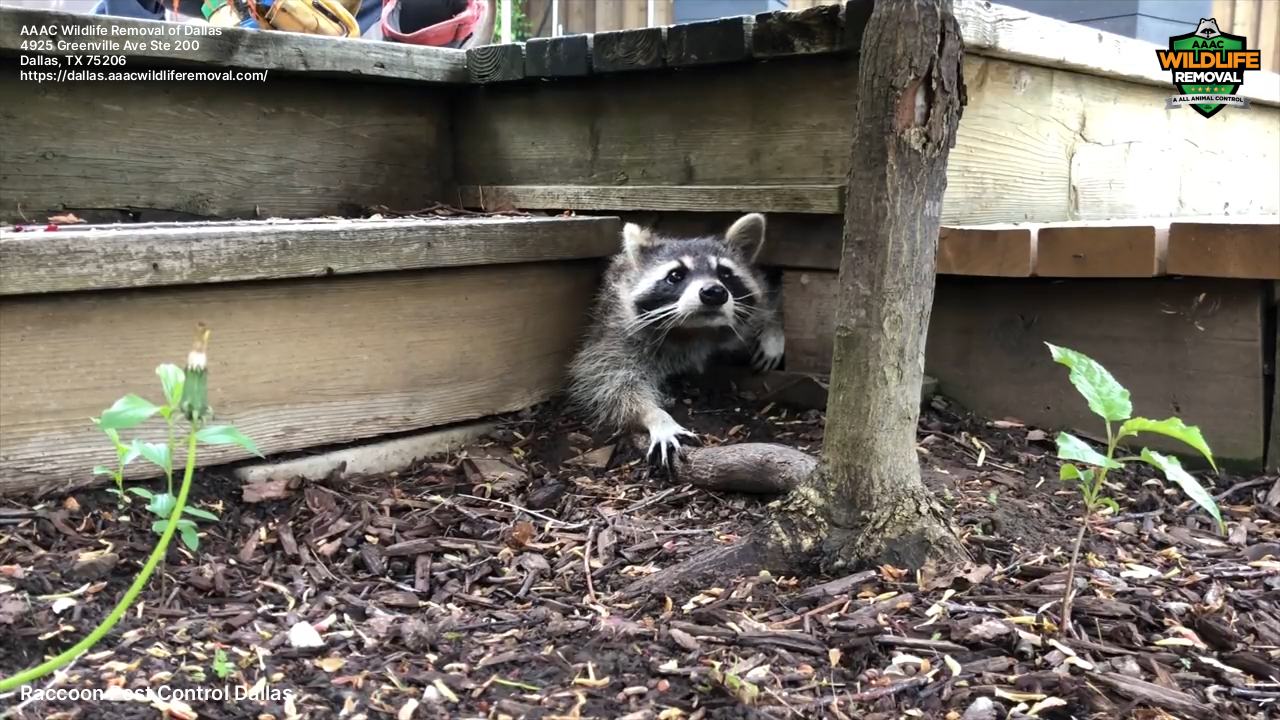
Raccoons are opportunists with a toolbox of useful traits. They can climb brick, squeeze through gaps barely wider than a fist, and use dexterous front paws to pry, pull, and twist. In dense neighborhoods, they often den three to four stories up, above the predator pressure and noise at ground level. An attic or soffit offers dry insulation, consistent temperatures, and a safe nursery. Females, called sows, commonly den with pups from late winter into early summer. During that window, trapping the mother without the litter inside is a mistake that leads to frantic noise, damage, and dead animals in walls.
Food attracts them almost as strongly as shelter. Garbage day is a buffet if lids do not latch. Backyard feeders throw off a steady drift of seed, which draws raccoons along with squirrels and rats. Pet food on porches is the midnight special. Compost piles with kitchen scraps, unsecured crawlspace vents, broken gable screens, and flat roofs with unprotected soffit returns form a path raccoons can navigate in minutes.
Cities offer a web of shortcuts. Fences, air conditioning lines, privacy screens, and vine-covered downspouts all act like ladders. I have watched a raccoon shimmy a stucco wall using only the window trim for toe holds, then lift a loose shingle corner and slide under the roof deck. Once they figure out a route, they return night after night until you change the building.
Signs that point to raccoon activity, not something else
Distinctive signs give raccoons away. The entry hole is often large, oval, and crushed along the edges where they levered material back. Torn ridge vents and popped soffit panels are common. Paw prints look like tiny hands, longer and more tapered than a cat or dog print. If you find what looks like a latrine, usually a pile of droppings in one place, raccoons like to use consistent toilet sites on flat surfaces, especially on low-slope roofs, at the base of chimneys, or in garages. You might hear slow, heavy footfalls or chattering sounds rather than the quick scurry typical of mice or rats. In spring, faint squeaks or trills from above a bedroom often mean pups.


Smell helps. A raccoon den develops a musky, slightly sweet odor mixed with wet insulation. Compare that to the sharp ammonia of rats or the milder smell of squirrels. Claw marks on fascia, scratches around vents, and tufts of insulation pulled through gaps are red flags. A pest wildlife trapper should confirm with a camera inspection. If a company proposes trapping without inspecting, that is guesswork, not wildlife control.
Why quick decisions matter
Delays turn minor repairs into full roof work. In my notes from past jobs, a three-inch hole under a lifted shingle became a two-foot tear-out in eight nights because the sow widened it on every trip. Another case started with a loose gable vent screen. After a month, the raccoon had shredded insulation across forty linear feet, contaminated a third of it with droppings, and chewed two low-voltage lines that ran a smart thermostat and an alarm circuit. Insurance covered the cleanup, but only after proof of entry and cause, which required detailed photos.
There is also a safety angle. Raccoons can carry roundworm (Baylisascaris procyonis), leptospirosis, and rabies. Transmission risk is low with proper handling, but contaminated insulation and latrine sites need specific cleanup procedures. A good wildlife pest control service will not treat this like basic pest control. The hazard profile is different, and so is the equipment.
What to do tonight, before anyone arrives
The first hours matter because raccoons are habitual. Break their routine early, and you often avoid a second entry.
- Close access to food. Take pet bowls indoors, lock trash lids, and use bungee cords or a locking strap if your bin tips easily. Double-bag food waste for the next few days. If you have a bird feeder, pause it for a week. Seed drift is a beacon. Light the den area. A bright work light in the attic or shining into the soffit can make a new den less appealing. Leave it on for at least two nights. Skip strobe or noise devices that can stress animals without moving them. Do not close holes if you hear movement. Blocking an entry with animals inside leads to secondary damage. Wait for a professional inspection or confirm visually that the space is empty. Keep pets indoors at night. Most confrontations happen when dogs surprise a raccoon cornered under a deck or by a fence. Avoid that scenario while you sort the problem. Gather a quick history. Note when noises occur, where you saw the animal, and any recent roof work or storms. That shortcut saves time during the visit.
The anatomy of a proper inspection
I look for three things: where they got in, where they traveled, and what attracted them. A roof-to-foundation inspection starts with the obvious entry points. Around Dallas, for example, I see lifted Spanish tiles where raccoons slip between tile and underlayment, then push on the roof deck seam. In older bungalows, the weak link is often a wooden soffit with a thin fascia end-cap. In townhomes, it is usually at the parapet or around roof penetrations that were booted years ago and never re-sealed.
Inside, I map the path. Compressed insulation forms runways. Latrine areas need to be flagged. I photograph and measure contamination for cleanup estimates. If there is any chance of a nursery, I listen and use a thermal camera along knee walls and within insulation cavities. Pups can be silent for long stretches, then chirp as they warm. If I identify a nursery, the removal plan changes immediately.
At ground level, I check for supporting problems. Open crawlspace vents, decks with gaps larger than three inches, hollow porch columns, and loose garage door seals all invite auxiliary use. Raccoons often split time between a ground shelter and an attic den. Fix only the attic, and they drift back within weeks.
Trapping versus exclusion, and where people go wrong
Two approaches solve most cases: targeted trapping paired with humane release where permitted, or one-way exclusion devices that let animals leave but not return. The choice depends on the calendar, local regulations, and site conditions. In many cities, raccoons are protected wildlife, and relocation beyond a short distance may be prohibited. A professional wildlife removal service will know the rules and secure permits if needed.
One-way doors mounted at the active hole work well when there are no dependent young. They allow the animal to exit for food and block reentry. These devices come in frame sizes matched to the hole. They must be anchored to new hardware cloth that covers weak edges around the hole by at least six inches. Install them loosely or at an angle, and raccoons bend them back.
If pups are present, you either wait until they are mobile, or you perform a pup recovery. That means locating and hand-collecting the pups with proper protective gear, placing them in a warming box, and setting them just outside the one-way door so the mother can retrieve them and relocate the family to an alternate den. I have done dozens of these. The key is calm, steady work and minimizing human scent transfer. This procedure is where general pest control companies get out of their depth. A specialized pest wildlife removal team has the training and equipment to do it safely.
Cage trapping is appropriate where repeated breaches occur, or when the entry point does not lend itself to a one-way device. Bait choice matters less than set placement. Fish-based baits and marshmallows both work, but you must block https://jsbin.com/zuroxujoho off non-target access and set the trap tight to the travel route. I often build a short funnel of hardware cloth that guides the animal into the trap and prevents bypass. Covered traps reduce stress and discourage tampering. Check laws for mandatory check intervals, often every 24 hours. A wildlife trapper who does not discuss check schedules, non-target risks, or release protocols is not the right hire.
Exclusion is the real fix
Raccoon removal without exclusion is a temporary win. Once animals leave or are trapped, the building needs a defensible perimeter. That means hardware cloth, not chicken wire; screws and washers, not just staples; sealants rated for exterior use; and metal reinforcement at prying points. I favor black-painted, galvanized hardware cloth, 16 gauge, half-inch mesh. It disappears visually against most shadow lines and resists chewing and pulling. On wood soffits, I back it with a trim board to distribute force. On tile or metal roofs, edge protection needs to be designed so it does not trap water or void a roofing warranty. A competent wildlife exclusion service coordinates with roofing contractors when needed.
Vent covers should be purpose-built, not improvised. Gable, attic, and dryer vents each have different airflow requirements and heat loads. A dryer vent cover must allow full flap movement and withstand lint accumulation. Ridge vents can be reinforced with metal guards that sit under the cap shingles. Chimney caps need welded screens with a proper spark arrestor, sized to the flue. The cheapest cap on a big-box shelf often rusts out in two years and sets you up for another call.
Door sweeps and garage seals are worth the attention even though raccoons usually breach higher points. The principle is simple: remove reasons to linger. A tight building envelope reduces scent load inside, cutting future curiosity.
Sanitation is not cosmetic
After a raccoon leaves, the residue matters. Latrine sites can harbor roundworm eggs that resist casual cleaning. Scraping and bagging contaminated material, followed by a disinfectant that can deal with helminth eggs, is part of the job. In attics, insulation that is compressed and soiled should be removed, not fluffed and left. If one-third or more of a bay is contaminated, I usually recommend replacing that section. Negative air machines and HEPA vacuums keep dust from drifting into living spaces. Some insurance policies categorize this as pest abatement with specific limits, so documenting the scope with photos and square foot counts helps claim processing.
Odor control is a secondary benefit of proper cleanup. Raccoons often return to familiar scents months later. Removing droppings and nesting material reduces that draw. If the client wants additional assurance, I use enzyme-based odor neutralizers in cavities, not perfumes that only mask.
The role of timing, weather, and neighborhood patterns
Raccoon work shifts with the seasons. In late winter through early summer, treat every attic noise as a potential nursery until ruled out. In the heat of midsummer, animals tend to den lower and in shaded spots like crawlspaces and under decks. In fall, storm damage opens new opportunities, and raccoons test fresh gaps aggressively in the two to three weeks after a major wind event.
Weather complicates access. Roofing materials flex more in heat. Sealing in the rain is a poor plan. Plan for temporary measures if a storm is imminent, then schedule permanent exclusion on a dry day. In neighborhoods where alleys run behind houses, the same raccoon family may work both sides of a block. Coordinated action by a few neighbors often suppresses activity for an entire season because the animals lose easy wins at multiple properties. A wildlife pest control service that works a lot of calls in one area, such as a firm focused on wildlife control Dallas residents use frequently, will recognize these patterns and may offer group pricing or synchronized service windows.
When DIY works, and when it does not
I do not discourage homeowners from basic steps. Securing trash, locking pet food indoors, screening foundation vents with correct materials, and trimming vegetation away from rooflines are useful and safe. If you spot a fresh gap and know the attic is empty, installing a temporary hardware-cloth patch is reasonable until a professional visit.
Where DIY fails is with nurseries, roof work at height, and anything involving sanitation of latrine sites. I have seen well-meaning patches trap pups inside, forcing the mother to create a second entry through a softer part of the roof. I have also seen homeowners slip on gravel-surfaced roofs or through weak decking near an eave. If your roof pitch is anything but shallow, or if you do not use fall protection, it is not worth the risk. A wildlife trapper with harnesses, anchors, and the right ladders makes quick, safe work of positions that feel precarious to most people.
Common myths that derail good decisions
Urban legends spread faster than raccoons. Peppermint oil, predator urine, ammonia rags, and ultrasonic devices rarely move a committed animal that has found a safe den, especially if pups are present. They may shift behavior for a night or two, then carry on. Flashing lights and radios in attics sometimes convince a new tenant to relocate, but they are not reliable.
Another myth is that removing one raccoon solves the problem. In cities, you are dealing with a population, not an isolated individual. If an opening stays open, it will be used again. Finally, the idea that raccoons cannot lift heavy lids is wishful thinking. I have recorded adult raccoons lifting 8 to 12 pounds of resistance with a coordinated pull. If your trash lid is lighter than that, add a latch.
Working with a professional: what to expect and ask
A seasoned wildlife removal service will start with a conversation that covers history, season, and structure type. They will schedule an inspection rather than jumping straight to trapping. Expect roof work if there is any sign of top-side entry. Ask about the plan for dependent young, the materials they will use for exclusion, and whether they offer a warranty on the seal-up. Good firms provide at least a one-year warranty against raccoon reentry at the treated points, sometimes longer if the whole structure is sealed.
Clarify whether they handle cleanup and insulation replacement or coordinate with a restoration partner. If you are in a metropolitan area, ask if the company works frequently in your neighborhood. Firms that manage nuisance wildlife management across an area learn local building styles and problem patterns. In Dallas, for instance, I know which subdivisions have vulnerable faux dormers and which apartment complexes cut corners on vent screens during the last re-roof. That insight saves time.
Pricing varies with access and scope. A straightforward one-way door install with minor sealing might run a few hundred to a thousand dollars. Full exclusion on a large home with ornate soffits, multiple gables, and tile roofing can move into several thousand. Trapping programs are usually priced per set plus per animal, with mandatory daily checks. Ask for a line-item estimate so you can see what is going into material and labor. Cheap quotes that skip exclusion usually end up more expensive after the second or third call.
Raccoons are part of a larger picture
Clients often call later about squirrels or bats after a raccoon job wraps. Wildlife does not care about our categories. If a roof has gaps, squirrels will leverage them in daylight. If a gable is un-screened and a ridge vent is loose, bats may colonize during their roosting season. Integrated planning matters. A robust seal-up for raccoon removal doubles as squirrel removal prevention and bat removal prevention, with modifications for timing and legal protections. Bats, for example, have maternity seasons during which exclusion is restricted by law in many states. A company experienced in pest abatement across species will sequence the work so you do not solve one problem and create another.
A brief case file from the field
One row house had nightly thuds in an upstairs hallway for a week. The owner assumed teenagers were sneaking to the kitchen. Then the ceiling stain appeared. On the roof, a bent corner of a metal coping cap pointed to the entry. Inside the attic void, a sow and three pups nested in a pocket formed by old insulation batts and a mild roof leak that had softened the decking.
We staged a pup recovery. I placed the pups in a warmed, vented box about three feet from the one-way door, secured off the hole with a hardware-cloth skirt spanning a foot beyond the damage in every direction. The mother exited within 30 minutes, retrieved two pups, then hesitated. A neighbor dog started barking. We paused activity and moved the box to a quieter ledge, then she returned for the remaining pup within the hour. That night, we heard her walking the roofline twice but not entering.
The next morning, we pulled contaminated insulation, HEPA-vacuumed the cavity, installed new decking reinforcement, and re-capped the coping with a custom-fabricated piece that covered the pry point. We reinforced the adjacent parapet seams, replaced two brittle vent boots, and set a welded chimney cap even though the chimney was inactive. Cost was higher than a trap-only job, but the owner did not hear another nocturnal step for the rest of the year. Two months later, a neighbor called with the same issue, and we found the same vulnerability mirrored on their roof. The animals had simply shifted. After we sealed both homes, activity dropped along the block.
Preventing the next raccoon season
Prevention is quiet work. Walk your property each quarter. After storms, check roof edges, soffits, and vents. Keep trees trimmed back at least six to eight feet from the roofline. Store trash in latching bins and place them out the morning of pickup, not the night before if your schedule allows. Feed pets indoors. If you keep a compost pile, use a sealed, rodent-resistant tumbler rather than an open bin. On multifamily properties, set expectations in writing for tenants about trash handling and porch food storage. Shared habits make or break shared buildings.
If you manage a business, align your pest control and wildlife policies. Traditional pest control services focus on insects and rodents. They do not always cross into wildlife. A wildlife pest control service can write a simple plan that pairs regular inspections with preventive sealing and fast-response protocols. That plan reduces downtime and damage when raccoons or other wildlife make a run at the building.
A final word on respect and realism
Raccoons are not villains. They play a role in urban ecosystems, and they are simply doing what works. Our buildings and habits present opportunities, and they take them. The right approach is not war, but boundary setting. Seal the building, remove the rewards, and respond quickly and humanely when an animal gets in anyway. That is nuisance wildlife management at its best: practical, safe, and durable.
If you need help tonight, look for a wildlife trapper who talks about exclusion as much as trapping, who can discuss seasonality and dependent young without hesitation, and who is comfortable working at height with the right safety gear. Ask for references. Ask for photos of past seal-ups, not just trapped animals. You will hear the difference between a generalist and someone who solves raccoon problems for a living within the first few minutes. And once the work is done, keep the habits that deflect future intrusions. Your roof will stay quiet, your trash will stay upright, and raccoons will move on to easier targets.