Winter changes the rules. Animals that roam freely in warm months become driven by shelter, food, and warmth, and homes check all three boxes. Attics hover 10 to 30 degrees warmer than outside. Dryer vents breathe out a steady stream of comfort. Gaps around soffits, chimneys, and crawlspace doors become gateways. By late December, calls spike for scratching in the ceiling at night, chirping in the walls at dawn, or a smell that wasn’t there before a cold snap. Handling wildlife removal in winter takes a different kind of judgment than any other season. You’re not just dealing with a raccoon, squirrel, skunk, or bat, you’re also dealing with the animals they might be protecting, the temperatures they might not survive, and laws that rightly reflect those realities.
This is a guide written from cold mornings in crawlspaces and ladder rungs frosting over. It covers how winter shifts animal behavior, when to use wildlife control versus wildlife exclusion, where a wildlife trapper earns their keep, and why the phrase wildlife exterminator almost always misleads in this field. Most of all, it covers the do’s and don’ts that keep people, pets, and animals safe while solving the problem for good.
Winter changes animal behavior and your options
Once nighttime temperatures dip below freezing for a few days in a row, you’ll see a pattern. Rodents like mice and rats move in first. They squeeze through holes the size of a dime or a quarter and set up shop quickly. Squirrels follow, often young-of-year that failed to secure a prime nest and now need a warm attic to survive. Raccoons shift from raiding gardens to denning, often in chimneys with missing caps or flat roofs with vulnerable soffits. Skunks look for crawlspace openings where they can overwinter with minimal energy burn. Bats in many regions either migrate or hibernate in structures, and winter is the most sensitive time to disturb them.
The tough part is that your preferred tool kit narrows when temperatures drop. Exclusion at its best means sealing entry points and walking the animals out through one-way doors. In extreme cold, one-way doors can become a death sentence for animals dependent on your attic’s warmth. Trapping becomes tricky too. Bait freezes, and animals reduce movement during cold snaps, so capture rates fall. That is why timing matters more in winter. You aim for windows of milder weather for certain steps and accept that some work is reconnaissance and prep for a safe, permanent fix a week later.
The central “do”: identify the species and the season within the season
People often try to shortcut this step, but everything rides on precise identification. Footstep patterns tell you a lot. Heavy thumps and chittering in late night hours usually point to raccoons. Quick, light scurries just before sunrise often mean squirrels, especially if you hear them flank to the soffits or ridge. Mice and rats make scratchy, papery sounds in wall voids and are most active after dusk. Bats are nearly silent but leave guano below gaps and staining at entry points.
Why it matters in winter comes down to biology. Squirrels in some regions have two litters a year. Early winter can still mean dependent juveniles in an attic. Raccoons commonly den in January through March, with females preparing for kits. Skunks huddle and reduce activity during cold snaps, which affects trap placement and timing. Bats are protected in many states during hibernation periods, and disturbing a hibernaculum can be illegal and ecologically damaging. If you identify bats midwinter, you likely need to plan a phased exclusion for a warmer window and focus on sealing secondary gaps now to reduce drafts and odor while leaving the primary exit intact until spring.
A professional wildlife trapper learns to diagnose with a flashlight, mirror, and ladder, but homeowners can gather useful clues. Photograph droppings, track marks in snow near foundation vents, and greasy rub marks on pipes or the top of a fence. If you’re unsure, a good wildlife control company will prioritize an inspection over an immediate catch and remove.
Do frame the problem as a system: food, water, shelter, and access
You can trap a raccoon this week, but another raccoon will move in if the roof gap still yawns open and the attic still offers easy entry. The best winter work sets you up for spring and beyond. That means inspecting every linear foot of roofline you can safely reach. It means noting the open ridge vent where squirrels can lift the mesh with their teeth, the dryer vent with a brittle flap, the foundation crack at the sill plate that a rat turned into a highway, the gable vent with screen rusted to lace. It also means looking down, not just up. Pet food bowls on the deck invite nocturnal visitors. Bird feeders shape squirrel traffic patterns more than almost any other choice homeowners make, and in winter those seeds become a daily beacon.
Good wildlife removal is often 30 percent removal and 70 percent wildlife exclusion. People hire us to solve an immediate problem, but the happy calls three winters later come from the other 70 percent, the sealing and proofing.
Don’t block an entry without confirming all animals are out
I have seen homeowners nail plywood over a soffit gap on a 25 degree afternoon and trap a raccoon mother outside with kits inside. She came right through drywall that night. I have seen the reverse too, with an animal sealed inside, panicking, dying in a wall, and causing a smell that lasted weeks. Winter raises the stakes because temperatures can turn a mistake into a fatality within hours.
Check for exit and reentry patterns. A one-way door is a tool, not a guarantee. Thermal cameras can show live heat signatures under insulation. A dusting of flour at a known entry, checked at dawn, will reveal fresh tracks. With squirrels, professional nuisance wildlife management wait for a clear morning after you hear the daybreak exit, then confirm no sounds for at least an hour before installing a one-way device. With raccoons, listen for vocalizations that suggest young. If you suspect dependent kits, delay exclusion and consult a wildlife control professional who can perform a den inspection and time the removal properly.
Do use species-smart strategies that respect winter constraints
Squirrels: They will chew through foam and flimsy screening. Use hardware cloth with a tight weave, ideally 16 gauge, and wrap it, not just cover the hole. In winter, install one-way doors only during daytime windows when squirrels naturally forage, and backstop with interior monitoring. Pre-baiting traps near active runs can help, but when it is very cold, expect fewer captures and more reliance on well-fitted exclusion devices.
Raccoons: These are strong animals with a knack for finding and enlarging weaknesses. In winter, I prefer a two-phase plan. First, stabilize the entry with temporary reinforcement while allowing egress. Second, schedule full repairs and permanent exclusion on a mild day. If trapping is necessary, use species-appropriate cages, wire the bait to prevent theft, and shade the trap to reduce wind exposure. Never set a trap where the animal can freeze, overheat in sun, or be harassed by pets.
Skunks: Skunks prefer low entries, often under decks or through loose crawlspace vents. A one-way door at the base of a deck skirt can work, but only if you have verified no dependent young, which is usually a spring issue. In winter, the challenge is avoiding surprise spray during a cold, tight crawl. Move slowly, use a light, and create a visual barrier if you need to approach. For trap use, cover the trap completely with a tarp or rigid cover so the skunk feels secure and is less likely to spray. Place the trap on a board to keep it off frozen ground.
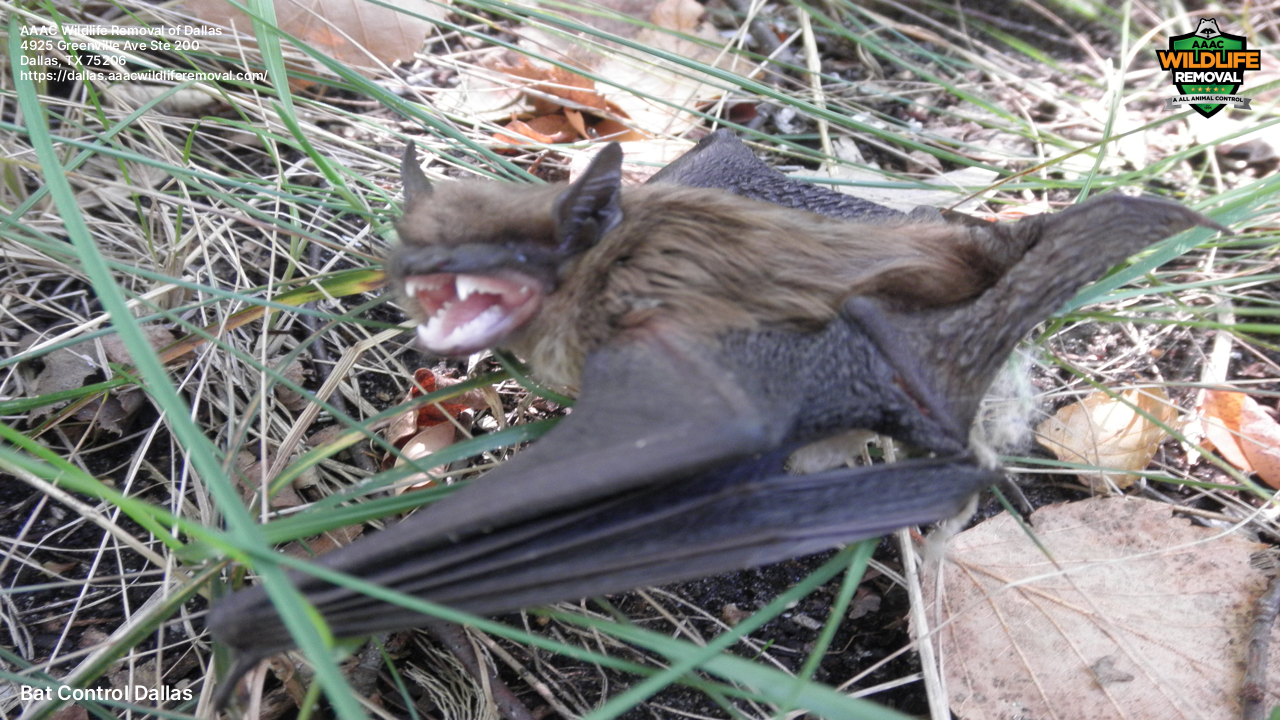
Bats: In many states and provinces, winter bat exclusion is restricted or prohibited. If bats are hibernating in your structure, the humane and legal course is usually to delay full exclusion until temperatures rise and bats resume activity. Use this time to plan. Identify all gaps, measure for bat cones or netting, and schedule the timeline that aligns with local regulations. In the meantime, address insulation gaps and odor issues inside without disturbing the roost.
Rodents: Mice and rats do not respond to one-way doors like larger wildlife. They can slip around them, and they breed faster than you can chase individuals. In winter, combine a thorough seal-up with targeted trapping. Seal large gaps first to guide movement into traps, then tighten smaller penetrations. Bait placement matters. In cold basements, choose baits that do not desiccate or freeze and secure them to prevent easy removal. Keep traps inside protected stations when children or pets are present.
Don’t confuse pest control with wildlife control
Many homeowners search for a wildlife exterminator and expect the tools used for roaches or termites to translate. Wildlife biology and regulation make that approach both ineffective and often illegal. Poisons used for rodents can harm non-target animals, and secondary poisoning of raptors and neighborhood pets is a real risk. Lethal methods for raccoons, squirrels, skunks, or bats are either unlawful, inhumane, or create worse problems, like carcasses in inaccessible voids.
Wildlife control emphasizes identification, humane removal, and wildlife exclusion. If a company pushes universal poisons as the primary fix for winter intrusions by larger animals, get a second opinion. A credible wildlife trapper will talk about ladders, lights, one-way doors, repair materials, and timing. They will also discuss state permits for species like bats or raccoons if required.
Do mind the law and the calendar
Regulations change by jurisdiction and even by municipality. Bat exclusions are commonly restricted from mid spring to late summer to protect pups, and winter hibernation adds another layer. Relocation rules for raccoons and skunks vary widely. Some areas prohibit relocation due to disease concerns and require release on site or humane euthanasia under strict protocols. Many states mandate that traps be checked daily, a rule that matters even more when a cold front arrives.
Keep a simple rule of thumb: if you are not sure about legality, pause and call a licensed professional. Winter is not the time to guess. Fines are one thing. Causing harm to protected wildlife is another.
Don’t underestimate odor, moisture, and fire hazards
A winter nest in an attic is not just an occasional noise. Squirrels strip insulation from wiring. Mice tunnel through fiberglass and pull vapor barriers away from rafters. Raccoons crush insulation under den sites and soak it with urine, which condenses and drips through drywall on the first warm day after a cold spell. Skunks under a porch can saturate wooden members with scent that lingers through spring.
There is also the fire risk. I have pulled out nests built on a recessed light in an attic, dried leaves brittle as tinder. Dryer vents clogged by birds or mice push moist air into wall cavities, which then cools and condenses, feeding mold. In winter, we tend to seal up houses tighter, which makes airflow problems worse.
Addressing wildlife means addressing what they change. Plan for attic cleanup, selective insulation replacement, and disinfection where necessary. If you use an ozone or enzymatic approach to odor, understand that those are tools to pair with physical removal of contaminated material, not a spray-and-pray.
Do prioritize inspection and documentation before any tool leaves the truck
A winter inspection should start outside and end in the attic or crawlspace if safe access exists. On the exterior, focus on roof-to-wall junctions, chimney flashing, ridge vents, gable vents, soffit returns, and utility penetrations. Snow can both hide and reveal. Look for melt lines, which can indicate heat loss and possible animal pathways. Look for tracks in fresh snow along fence tops and under deck edges. Peek into chimney flues with a mirror and light if there is any doubt about a cap.
Inside, follow smells and temperature gradients. Listen with the HVAC off. A quiet house tells you more in five minutes than an hour of trying to hear over a running furnace. Photograph droppings, chewed wires, and nesting material. Measure gaps. Create a short plan with sequencing, especially if weather patterns are changing. A good wildlife removal plan might read like this: stabilize and pre-seal on Tuesday, install one-way door Wednesday morning once squirrels exit, monitor Thursday, finalize seal and finish repairs Friday when temperatures climb above freezing.
Don’t install one-way devices and walk away
A one-way door for squirrels or raccoons is not a set-and-forget. Animals test devices. Chewers will try corners. Large raccoons will push a flimsy install right off the fascia. Winter winds also shift hardware. If you use a door, commit to daily checks until you seal permanently. Add a camera if you cannot get to the roof easily or if night checks are unsafe. A $30 motion camera pays for itself by confirming exits and saving repeat ladder trips.
Do respect temperature and timing when trapping
Trapping in winter has a narrow safety band. Too cold and you risk hypothermia for an animal caught overnight. Too sunny on a dark trap and you risk overheating even with outside temperatures below freezing. Wind exposure matters as much as temperature. I prefer insulated trap covers, rigid enough to hold shape, with end openings to maintain airflow. I also like to set traps late in the day for nocturnal animals and check early, leaving less time for exposure.
Bait selection changes too. Marshmallows and sardines do not freeze as badly as some fruits. Peanut butter stiffens but still smells. In extreme cold, scent-based lures carry farther than food, and a properly guided funnel with snow berms can direct movement. Secure traps to prevent rollovers from snow plows or curious dogs. And in suburban neighborhoods, a posted note on your door with your phone number gives neighbors an easy way to reach you if they see an animal in a trap.
Don’t assume noise equals infestation
Winter houses make noises. Ductwork bangs during big temperature swings. Ice slides off metal valleys with a rippling sound. A branch rubbing vinyl can sound like scratching in a wall. Before hiring wildlife control, try basic tests. Tap on the ceiling below the suspected area. Animals often pause or relocate when they hear you directly below. Turn off the HVAC for 10 minutes and see if the pattern changes. If you still suspect wildlife, a professional can confirm quickly. It saves money to rule out simple building noises first.
Do a full seal and repair, not a patchwork
Winter repairs require materials that work in cold weather. Caulks have minimum temperature ranges. Adhesives too. Sheet metal patches with mechanical fasteners perform better than asphalt patches that may not bond in cold. For ridge vents, use purpose-made wildlife exclusion products that cap and screen without blocking airflow. For gable vents, install a secondary interior hardware cloth behind the decorative louver. For chimney caps, choose heavy-gauge stainless mesh and anchor securely to withstand freeze-thaw cycles.
A thorough seal includes utility lines, hose bib penetrations, and trim gaps. I have seen rats use a quarter-inch gap behind J-channel on vinyl siding to access soffits. That is not a typical homeowner target, but it is real. The more thorough the seal, the more the animal pressure shifts away from your home and toward natural shelter.
Don’t feed the problem
Bird feeders bring joy in gray months, but they also bring squirrels, rats, and raccoons. If you keep a feeder, upgrade to true squirrel-proof designs and use trays to catch spillage. Remove outdoor pet food immediately after feeding. Secure garbage with tight lids and bungee cords, and store bins in a shed or garage if possible. Compost bins should be rodent-resistant, not open piles under a deck. In winter, a single night of accessible calories can teach an animal your address.
Do choose a professional with the right mindset
When you search for help, you’ll see everything from pest control to wildlife removal companies. Ask about inspection protocols, repair materials, and timing strategies in winter. Ask what happens if dependent young are present. Ask whether they prioritize wildlife exclusion over endless trapping. A strong wildlife trapper will know how to set and check cages, but a strong company will also talk about ridge vent replacement, soffit rebuilds, and chimney cap specs. They should carry licenses relevant to wildlife control and liability insurance that covers roof work.
If they refer to themselves as a wildlife exterminator and push lethal methods as a one-size-fits-all fix for non-rodent wildlife, that is a red flag in most areas. Lethal control has narrow, regulated use cases. Long-term solutions come from exclusion, habitat changes, and targeted, humane removal.
A practical winter sequence that works
- Inspect thoroughly inside and out, identify species, map entries, and note weather windows. Stabilize hazards, protect living spaces, and set expectations about timing and legality. Choose exclusion, trapping, or a hybrid based on species, temperature, and life stage. Monitor daily, adjust hardware, and verify animal exit with eyes, camera, or tracks. Seal permanently and repair with cold-rated materials, then clean, deodorize, and restore insulation.
Edge cases worth calling out
Emergency chimney den. You light a fire, smoke backs up, and you hear chattering. That is often a raccoon with a nest on the smoke shelf or a squirrel nest above a missing cap. Extinguish the fire, close the damper if safe, and ventilate the room. Do not flood the chimney with water. Call a wildlife control company. They will use a chimney-specific one-way device or a hands-on removal with protective equipment, followed by a cap installation. Winter chimney work is slippery and dangerous. Do not attempt a roof climb on ice.
Deep cold and bat sightings. Occasionally, a hibernating bat ends up in living space, disoriented. Do not handle it barehanded. Close the room, open a window a crack if weather allows, and contact a local bat-friendly control provider or wildlife rehabilitator. This single bat does not mean a full colony in your attic, but it does suggest a structural path from hibernation space to interior. Plan for a spring inspection and exclusion.
Odor in a wall after a cold snap. If a mouse or rat dies in a wall during winter, the smell can be sharp for a week, then fade over two to three weeks as tissues desiccate in dry air. Enzymatic deodorizers help, but opening walls is often unnecessary unless the odor persists or moisture is present. Prevention through sealing and trapping remains the priority.
What success looks like by spring
A successful winter wildlife removal case leaves you with a quieter house, repaired openings, and a plan you can hand to the next homeowner or to your future self. Your ridge vents are armored. Your gable vents have screens that a squirrel cannot bend. Your crawlspace door closes tight against a threshold, with a sweep that denies skunks and rats an easy slide. Your chimney has a cap that sheds snow and blocks climbers. Your attic has fresh insulation where needed and no live wiring exposed.
More important, you understand the rhythms. You will check those vulnerable spots at the first cold snap next year, not the third. You will move the bird feeder farther from the house and clear soffit leaves before ice locks debris in place. You will call a professional wildlife control company when you hear that first 4 a.m. scurry rather than waiting until the attic smells like a barn.
Winter favors the prepared. Wildlife favors the available. Good wildlife removal in winter does not force a result against biology and weather, it works with both. It protects animals where possible and your home always. It uses traps when necessary and wildlife exclusion as the backbone. It knows when a wildlife trapper is the right choice and why the term wildlife exterminator misses the point.
If you remember nothing else, remember this: identify precisely, act humanely, seal thoroughly, and time your moves to the calendar and the thermometer. Do those four, and most winter wildlife problems stay solved.