Wildlife shows up in cities because cities offer what animals need in close quarters: food, water, warmth, and shelter. The moment a home provides two or more of those, you get visitors. Some leave after a night. Others settle in and start remodeling your attic without asking. Effective wildlife control in an urban setting hinges on understanding how animals use the built environment, why certain homes get targeted, and how to resolve conflicts without making problems worse. After twenty years working alongside property managers, pest control techs, and more than a few stubborn raccoons, I’ve learned that success is as much about building science and human behavior as it is about traps and tools.
A city is an ecosystem with different rules
When people hear “wildlife removal,” they picture forests and fields. Yet the urban landscape works like a patchwork habitat, stitched together with alleys, park strips, storm drains, rooftop gardens, restaurant dumpsters, and all the voids inside buildings. The same species that thrive in hedgerows adapt quickly to rooflines and crawlspaces. Raccoons pry open soffits like lunchboxes. Squirrels treat utility lines as highways. Pigeons nest behind signs and HVAC units. Rats surf the sewer network and pop up wherever food waste is plentiful.
Cities compress space and multiply incentives. The winter heat from rowhouses draws rodents that would not bother with a cold barn. Restaurant dumpsters on pickup day make stronger bait than any commercial lure. A single block might host a dozen micro-habitats, each suiting a different stage in an animal’s life cycle. That is why an urban wildlife trapper spends almost as much time reading buildings and neighborhoods as tracking the animals themselves.
What “control” really means in a city
Wildlife control has three objectives which should be tackled in order: stop the immediate damage, remove the animals legally and humanely, then seal and modify the site so the problem does not recur. Skipping the last step just turns your property into a trap-and-release treadmill. You remove this week’s raccoon, another fills the vacancy. Every professional job I’ve seen hold up for the long term put more hours into wildlife exclusion and habitat change than into the actual capture.
The term “wildlife exterminator” comes up often in client calls. In reality, lethal control is tightly regulated and not the default for many species. Most urban problems can be solved through exclusion, structural repair, and one-way devices. Rodents are the frequent exception, given public health risks and reproductive rates that can outpace even diligent exclusion efforts. The right approach depends on the species, the building, and local law.
Laws, seasons, and what you can and cannot do
Regulations shape everything in this line of work. Cities and states often require permits for trapping, dictate allowable methods, and set timelines for relocation or release. Some municipalities prohibit relocating raccoons across county lines because it spreads disease. Birds like pigeons may be managed freely in some places, but protected songbirds or raptors require special handling. Bats are often protected during maternity season, usually late spring through late summer, because sealing a house then can trap flightless pups inside.
If you plan to hire help, ask the company about permits and insurance and listen to the answers. A solid wildlife control operator will explain seasonality, quote a window that avoids orphaning young, and describe where any captured animals will go. If you hear “we can take care of any animal, any time” without nuance, keep shopping.
The building is the habitat: reading structures like a field guide
In cities, architecture governs wildlife access. I start every job by walking the perimeter and the roofline, then I trace utilities and vents. Most entry points cluster where materials change or where maintenance is inherently hard: the joint where a porch roof meets a wall, the corner where a gutter empties against fascia, or the reveal around utility penetrations. Masonry gives different clues than wood framing. Old brick with a failing sill might have a rat run behind the veneer. A modern stucco facade might hide a chimney chase with a gap big enough for squirrels.
Attics tell stories. Insulation patterns reveal highways and nest sites. A https://emilianokkby868.raidersfanteamshop.com/top-wildlife-control-methods-for-squirrels-in-the-attic clean channel pressed through blown cellulose almost always points to a regular route. Latrines mean raccoon. Nut shells and chewed insulation suggest squirrels. Guano and urine patterns point to bat roosts. If you smell ammonia under a kitchen sink and the plumbing penetration looks like a mouth, you probably have a rat superhighway running from the crawlspace to the pantry.

Species by species: patterns that show up on city blocks
Raccoons favor roof edges and easy handholds. They can climb brick, but they prefer downspouts, ivy, and rough stucco. If a soffit has a slight flex and a raccoon wants in, that panel will be on the lawn by morning. Raccoons are bold and surprisingly gentle around their young, which matters during removal. Mothers will relocate kits if given the chance and a path.
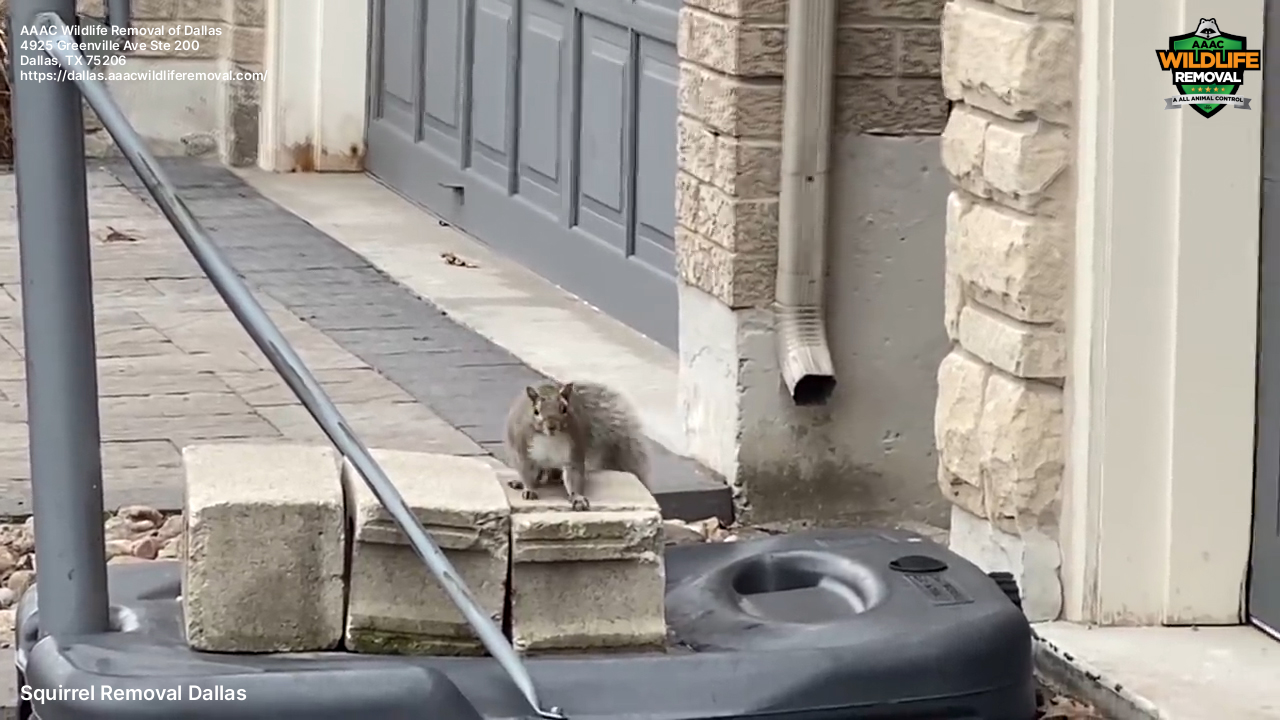
Squirrels work day shift. Noise in the attic at dawn and late afternoon suggests squirrels more than rats. Squirrels chew relentlessly, so a gap that was two inches last fall might be four this spring. They will return to a good den site year after year. Because they rely on scent, cleaning the area and using a one-way door over the entry is more reliable than trap-only campaigns.
Bats slip through openings you would overlook, often half an inch in height. They do not chew new holes, which means true bat jobs are nearly always exclusion and sealing. Timing is everything. Close too early and you strand pups. Close too late and you might push them into living spaces as nights cool.
Pigeons and starlings nest in voids that feel secure from above. The best pigeon jobs begin with structure and angle. If the ledge is still a comfortable landing pad after you leave, they will be back. Netting beats spikes where roosting pressure is high, but netting installed without a rigid border and correct tension sags into uselessness in a year.
Norway rats travel the lowest routes and love friction surfaces. They like to run their whiskers along edges, so clean wall bases and tight landscaping make them nervous. Roof rats, by contrast, move in canopies and rafters. In older neighborhoods with mature trees touching power lines, roof rats can be the bigger headache.
Skunks and opossums exploit ground-level gaps. The call usually comes after a dog meets a skunk at 2 a.m., or when a homeowner hears shuffling under a deck. These cases respond well to trench-and-screen exclusion. If you do not bury the screen, something will simply dig under it.
Problems that are unique to dense neighborhoods
The neighbor effect complicates even straightforward work. You can seal your home perfectly and still see rats on the fence if the restaurant at the corner overflows its dumpster twice a week. Wildlife control becomes diplomacy: shared bait stations, common-sense waste handling, and sometimes municipal code enforcement.
Attached buildings create shared voids, and wildlife does not respect property lines. A brownstone mid-block might share a roof cavity with two neighbors, so a “my house only” solution fails. In those cases, I walk the block, introduce myself, and lay out why a coordinated plan saves everyone money. More than once, a tenant in the end unit has been tossing bread for birds, then wonders why rats learned the schedule.
Construction churn also changes pressure. When a warehouse gets demolished, rats disperse. When a row of old trees comes down for a development, squirrels scout for new nest sites that same week. Good operators keep an eye on building permits, not just animal tracks.
The limits of traps and why exclusion is non-negotiable
Traps have their place. A correctly set cage trap for a raccoon that has a single active entry can resolve a problem in two nights. More often, traps buy time so you can repair a vulnerable area. But traps alone in a city are a treadmill. Urban populations replenish quickly, and food sources are abundant. Without wildlife exclusion, you train your property to be the best house on the block for the next bold animal.
Exclusion is not glamorous, but it is craftsmanship with biological intent. The aim is to make your home read as too hard, too smooth, too sealed, or too exposed to be attractive. Hardware cloth at least 16 gauge with half-inch mesh for rodent proofing. Galvanized steel flashing for gnaw-prone edges. Calk and foam only as gaskets behind solid barriers, never as the barrier itself. Ridge vents get protected with stainless screens that match the roofing profile. Gable vents, chimney crowns, foundation vents, and the gap at the garage door threshold are all common failure points.
Health and safety are not optional
Urban wildlife brings pathogens and parasites. Raccoon latrines can carry roundworm eggs that remain viable in soil for years. Bat guano accumulations can harbor histoplasma spores. Rats transmit leptospirosis through urine. These risks are manageable with proper personal protective equipment and sanitation, but they are not hypothetical. If you disturb a large accumulation of droppings during a DIY effort without respirator protection, you may create an airborne hazard. Professionals who take this seriously will outline their cleanup method, bagging, and disposal plan, and they will ventilate attic spaces both during and after remediation.
Bites are rare in residential wildlife control, yet defensive behavior increases during breeding and when escape routes are blocked. A cornered raccoon in a tight eave is a bad scene. That is why one-way doors and phased sealing beat a full perimeter closure in a single afternoon. If young are present, the mother needs a safe exit, and the operator needs a plan for retrieving or reuniting kits.
Materials that hold up, and the ones that fail first
I’ve fixed hundreds of failed exclusions. The same mistakes repeat. Window screen is not rodent wire. Spray foam without a hard face invites teeth. Thin plastic soffit panels without backing fold under a raccoon’s weight. Plastic bird spikes collapse under snow load. Staples rust out. Cable ties get brittle in UV before the season ends.
The materials that hold up share two traits: they resist chewing or tearing, and they fasten to structural members, not decorative cladding. Stainless steel mesh and screws into wood framing beat adhesives on aluminum trim. Mortar repairs for rats along slab edges last, while foam crumbles. On roofs, galvanic compatibility matters. Mixing copper netting with galvanized fasteners on a wet roofline creates a corrosion point that opens a gap in a year or two.
Energy efficiency and wildlife prevention often align
Air sealing for energy efficiency closes many of the same pathways that animals use. A blower door test reveals hidden leaks around rim joists, attic hatches, and plumbing chases. If you ask an energy auditor to flag gaps wider than a pencil, you’ll map likely entry points for mice and rats. Upgrading a foundation vent with a louvered, gasketed unit reduces humidity in a crawlspace and keeps wildlife out. Insulation repairs following a squirrel eviction can also correct thermal bridging and save heating costs. I have signed several projects where the client recouped part of the wildlife work through lower utility bills in the next season.
How professionals think about bait stations and rodenticides
Rodenticides are powerful tools with real risks, especially in cities with children and pets everywhere. Secondary poisoning of non-target predators is a documented issue in some regions. A careful operator will weigh whether snap traps and exclusion can carry the load. If a bait program is necessary, tamper-resistant stations properly anchored and keyed are the baseline. In multi-unit buildings, stations should be tracked like assets, with location maps and service logs. Inside, traps are favored over baits whenever possible to avoid dying rodents in inaccessible voids and the odor complaints that follow.
Communication is part of ethics here. If a company proposes rodenticides, ask about active ingredients, antidotes, and monitoring. A pro should be able to explain why a given formulation and placement plan fits your property and the surrounding environment. They should also tell you what the exit strategy looks like once population pressure declines.
A realistic timeline from first call to quiet nights
The first visit should produce a map of conditions, entry points, and a prioritized plan. Emergencies like a raccoon in a kitchen vent get same-day attention, but most jobs take a few visits over two to three weeks, with season and species dictating pace. In bat season, you might wait until pups can fly, then do a full exclusion in a single push. For rats in a multi-family building, expect monthly follow-ups for a quarter, combined with repairs and sanitation steps that require coordination with property management.
Noise usually drops within a few nights once one-way doors go up. Odors fade over one to three weeks after cleanup and ventilation. Exterior sealing and deterring measures should be inspected after the first hard storm, because water finds weaknesses and shows you where to reinforce.
Neighborhood dynamics and city services
Some problems only resolve when the block is on board. If street trees drop heavy mast every other year, you will have squirrel booms that outstrip private efforts. If a single alley dumpster routinely overflows, rats will pressure the whole row. Many cities now offer integrated rodent control programs that include alley baiting, dumpster audits, and building plan reviews. Looping in city services is not a sign of failure. It is part of an honest solution in dense environments.
If your HOA or neighborhood council meets quarterly, bring wildlife control onto the agenda once a year. Discuss shared funding for exclusion on perimeter fences, combined service contracts for rat control, and simple trash guidelines that are enforceable. One restaurant that invests in smart compactors can shift rodent activity for four blocks.
When DIY makes sense and when it doesn’t
Homeowners can handle certain tasks safely and effectively. Sealing pencil-width gaps around utility lines with metal escutcheons, installing a rodent-proof garage door sweep, screening foundation vents with half-inch hardware cloth, and trimming back vegetation to create a six to eight inch gap around the base of the house are within reach for many people. Setting snap traps in protected stations along interior walls addresses light mouse activity well.
Climbing two stories to screen a gable vent, crawling in a low attic with a history of raccoons, or working inside a bat roost crosses into professional territory. So does any situation involving strong odors, large accumulations of droppings, or visible mold. If the work requires fall protection, respirators, or live animal handling, hire help. A reputable wildlife removal company will price the job transparently and explain each line item in terms of materials and labor, not vague “treatments.”
What a strong service agreement looks like
Before you sign, read scope and warranty language. A solid agreement spells out the species targeted, all exclusion locations by component, the materials used, and the warranty term. Warranties that only cover “workmanship” without naming re-entry terms can lead to finger-pointing if an animal finds a new hole. A good wildlife control operator will differentiate between covered returns through their work and new breaches elsewhere, then offer a plan to address both.
Photographic documentation matters. I like to see before-and-after images of every exclusion point and any areas deemed “monitored.” If you move or sell, that record helps the next owner and validates the work. It also holds the company accountable, which is good for everyone.
What success looks like six months later
I often check sites a season after the job. The best results share a few signs. There is no fresh chewing around old access points. The attic smells like dry wood and dust, not musk or urine. The client installed better trash lids or moved the bird feeder away from the house. The soffits still look tight after the first snow and wind load. Neighbors might still see wildlife, but the house we worked on reads as unpromising, so animals move along. That is the aim: to set conditions where your home becomes the least convenient option on the block.
A brief, practical checklist you can act on this week
- Walk your property at dusk with a flashlight and look for gaps wider than a pencil around utility lines, vents, and the garage threshold. Note any rub marks or grease stains. Inspect the attic for trails in insulation, droppings, or stained sheathing. Photograph what you see before you disturb anything. Trim tree limbs to maintain a 6 to 10 foot clearance from the roofline where possible, and create vegetation gaps along the foundation. Upgrade trash handling. Use latching lids, rinse containers, and break down cardboard nightly rather than stacking it near doors. Call a licensed wildlife trapper if you hear loud night activity, see fresh chewing, or suspect a nest. Ask about exclusion-first plans and seasonal constraints.
Why the right mindset matters
Urban wildlife control is not a war to be won so much as a boundary to be managed. Animals find a way to exploit easy resources. If you take away the easy parts, you shift their calculus. That means sometimes accepting that squirrels will live in your trees but not in your attic, pigeons will exist on your block but not on your balcony, and rats can move through the alley without finding a route into your pantry. The tools that create those boundaries are practical and proven: careful inspection, thoughtful wildlife exclusion, targeted removal when necessary, and steady attention to sanitation. Do those well, and your home becomes quiet again, even if the city around you keeps humming.