Most homeowners only think about pests after something scurries across the kitchen floor or thumps in the attic at 3 a.m. By then, the problem already has a head start. The first decision that shapes everything that follows is who you call. Wildlife removal and pest control are not interchangeable, and hiring the wrong discipline often costs more, stretches timelines, and in some cases creates legal trouble. Clear lines exist between nuisance wildlife management and traditional pest work, from laws and licensing to tools, ethics, and outcomes. Knowing those lines helps you protect your home, your wallet, and the animals involved.
What “pest control” typically means
Pest control companies focus on invertebrates and small commensal rodents that live in close association with people. Think ants, roaches, wasps, bed bugs, flies, grain beetles, and the house mice or Norway rats chewing wiring under the dishwasher. Their toolkits revolve around inspection, monitoring, targeted chemistry, and structural sanitation. They lean on Integrated Pest Management, or IPM, which emphasizes source removal and exclusion first, then baits or pesticides as needed.
This work is governed by pesticide regulations and typically requires a structural pest control license. The technician who treats your pantry moths may apply insect growth regulators, vacuum out larvae, and adjust your food storage habits. The same company might place tamper-resistant bait stations along a foundation to curb rats. These are short life-cycle species with fast reproduction, so population suppression and habitat modification make a real dent quickly. Timeframes tend to be measured in days or weeks, and service contracts often include recurring visits to maintain a chemical barrier.
What “wildlife removal” really involves
Wildlife removal, also called wildlife control, nuisance wildlife management, or wildlife pest control, deals with vertebrates that are legally protected in many contexts. Raccoons, squirrels, bats, skunks, opossums, snakes, foxes, woodpeckers, and certain birds tend to be the culprits. They breach homes for food or shelter, leave droppings, and sometimes carry pathogens. Yet they are part of the native ecosystem, and in many states you cannot kill, relocate, or even disturb them except under specific conditions.
A wildlife operator lives in the intersection of biology, construction, and law. The core work looks less like spraying and more like detective work and carpentry: finding the primary entry hole, reading tracks on dusty rafters, matching chew patterns to species, and then designing wildlife exclusion that the animal cannot beat. Exclusion might mean custom-bent galvanized hardware cloth on a gable vent, a metal drip edge on a squirrel-chewed dormer, or a one-way door paired with sealant along ridge vents. Trapping, when necessary, is targeted and legal. Disposal, relocation, and release options are dictated by state wildlife agencies, not by convenience.
The legal and ethical landscape sets the tone
The cleanest dividing line is law. Many wildlife species fall under state wildlife codes and federal acts. Bats are a good example. In several states, you cannot perform bat exclusion during maternity season, usually late spring through mid to late summer, because pups are flightless. Seal a colony out at the wrong time and you can orphan juveniles inside walls, a violation that may carry fines and a nasty odor that lingers for weeks. Birds complicate things further. Migratory birds and their nests have federal protection, and disturbing an active nest can bring federal penalties, regardless of where the nest sits on your house.
Pest control laws focus on how, where, and by whom chemicals are used. Wildlife removal laws focus on species handling, trapping methods, relocation rules, and release distances. Many states ban relocating certain mammals entirely because relocation spreads disease and often means a slow death for the animal. A humane approach usually means targeted capture for euthanasia following AVMA guidelines, or better, non-lethal one-way devices with permanent exclusion so the animal moves on alive to a natural den.
The ethics differ as well. The goal with wildlife is to resolve a conflict between property and a native animal with minimal harm. That starts with understanding why the animal is there and ends with making the structure unattractive to a repeat visit. Any plan that leans solely on wildlife trapping without sealing entries invites a second round, and the animal always loses that game.
Structural diagnosis vs. chemical control
I once inspected a 1920s bungalow where the homeowner had paid for quarterly “rodent and pest” service for two years. The attic smelled like a hamster cage in August. Bait stations ringed the foundation. Inside the attic, I found a three-inch gap along the intersecting roof planes where the fascia had pulled away. The technician had treated symptoms with rodenticides, but the real problem was an unguarded highway for squirrels. We installed metal flashing and a one-way device for three days, then sealed. Odor faded within a week. The homeowner canceled the recurring bait service.
That illustrates the difference in mindset. Pest control often relies on population suppression at the foundation line combined with habitat changes. Wildlife control revolves around construction-grade closure, species-specific behavior, and pressure release. Raccoon removal, squirrel removal, or bat removal succeeds or fails on the quality of the exclusion work. Caulk won’t stop squirrels. Spray foam is a chew toy for rats and mice. Silicone in a soffit gap is a temporary Band-Aid once a raccoon has a den in the attic. You need materials that match the animal: 16 to 23 gauge steel mesh for rodents and bats, sheet metal for raccoons at roof lines, bite-proof drip edge along shingle gaps, and positive-seal vent covers that don’t rattle in the wind.
Where the two services legitimately overlap
Overlap exists, particularly with mice and rats. Many wildlife operators handle commensal rodents because those species bridge the disciplines. Likewise, some pest firms have a division for wildlife. You will see both show up for bird control on commercial sites, for example, since pigeons and sparrows create sanitation issues similar to insects, but the control is architectural: netting, spikes, shock tracks, and access management.
What matters is not the label on the truck but the method offered. If the estimate for a squirrel infestation is heavy on poison and light on sealing, that is a pest control frame being misapplied to wildlife. If a bat company proposes trapping, that is a red flag. Bats are almost never trapped in homes. They are excluded through one-way valves after every potential gap as small as a fingertip is sealed.
Tools of each trade
Pest control trucks carry backpack sprayers, compressed air sprayers, dusters, bait stations, glue boards, and a selection of insecticides and rodenticides. They also carry inspection mirrors, flashlights, and moisture meters because sanitation and water leaks drive many infestations. The scheduling rhythm favors monthly or quarterly service.
Wildlife removal trucks look more like a roofer’s setup. Expect ladders in multiple sizes, crawl gear, headlamps, baitless traps suited to the target species, positive-set traps that mount directly over an entry hole, one-way doors, roll after roll of stainless or galvanized hardware cloth, sheet metal, aviation snips, a brake for bending flashing, rivet guns, sealants, and sometimes thermal cameras to map heat signatures of nests. Respirators and PPE are standard, since raccoon roundworm (Baylisascaris procyonis) and bat guano spores deserve caution. Service windows track animal behavior, not a chemical label’s re-entry period.
Health risks and how different disciplines address them
Both fields manage disease risks, but the pathogens and mitigation strategies differ. Pest control technicians worry about allergens from cockroach frass, bites or stings, and contaminated surfaces from flies, rodents, or ants. The solutions are hygiene, structural tightening, and targeted chemistry.
Wildlife operators encounter zoonotic risks that come with droppings, nesting material, and direct contact. Hantavirus exposure with deer mice is a serious concern in the Southwest and occasionally elsewhere. Raccoon latrines can harbor roundworm eggs that persist for years in soil and stick to shoes. Bat guano can support Histoplasma capsulatum in certain regions, especially in humid or cave-prone areas. Proper cleanup is not a shop vac and a dust mask. It involves controlled removal, HEPA filtration, misting to reduce dust, appropriate disinfectants, and sometimes partial insulation replacement. If a company promises “full wildlife removal” but does not address contaminated insulation or latrines, the work is half done.
Timeframes and seasonality
Pest control follows pest life cycles and weather, but you can usually schedule within a day or two. Wildlife work respects breeding cycles and animal movement. Raccoon removal around February through April often reveals pregnant females denning in attics. Evict a mother without accounting for kits and you will have a dead litter hidden in the soffit, along with flies and odor. A seasoned wildlife control operator checks for signs of nursing, uses thermal imaging when needed, and times eviction to reunite mother and young outside the structure. Bat removal is calendar-driven. Ethical and legal operators perform exclusions outside maternity windows and plan follow-up visits after the first cold snap when bats cluster and movement patterns change. Squirrel removal peaks during biannual breeding seasons, and their gnawing intensifies when juveniles start exploring.
Pricing philosophy and what you are buying
Recurring pest service is often priced per visit and designed to prevent re-infestations with maintenance treatments. Wildlife removal is usually quoted as a project: inspection fee, then a proposal that includes wildlife exclusion, cleanup, and a limited warranty against re-entry on sealed areas. The price reflects labor at height, custom fabrication, cleanup, and permitting knowledge. Homeowners sometimes balk at the upfront cost because there is no visible “chemical” to justify it. The value shows six months later when your attic remains silent and the fascia stays intact through a storm.
If you receive a surprisingly low quote for wildlife trapping with no line items for sealing, you are likely paying to remove the current animal without addressing the gap that invited it. Expect repeat visits and increasing frustration. High-quality wildlife work leaves no “soft spots” on the envelope of the house.
Case examples that illustrate the split
A bat colony behind a stone facade: The homeowner hears chirping at dusk and sees a swirl of animals near the chimney. A pest control approach might be to dust gaps with a repellent or place ultrasonic devices. These do not solve the problem and can trap bats inside. Proper bat removal starts with a full exterior survey, often at dusk, to map exit points. Then, every possible gap larger than pencil diameter gets sealed except the main exit holes, where one-way valves are installed. After several clear nights, the valves come off and the final seal goes on. A bat house in the yard is optional but can help guide displaced animals to a legal roost.
Squirrels in a townhouse soffit: Pest control can help with interior trapping or bait stations if the species were mice. For squirrels, the core fix is construction. Replace chewed trim with PVC or metal-capped wood, reinforce the soffit return with coil stock, and install a positive-set trap at the active hole for a brief period. Follow with paint and a drip edge to remove the bite lure.
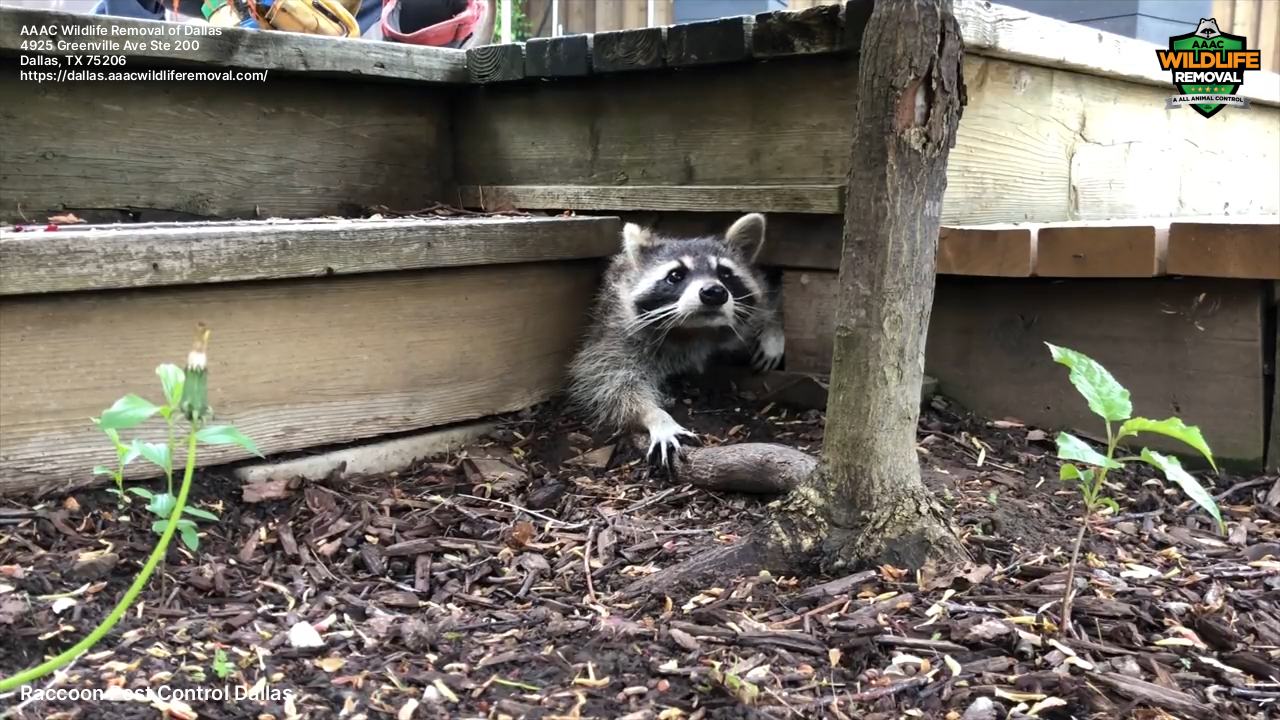
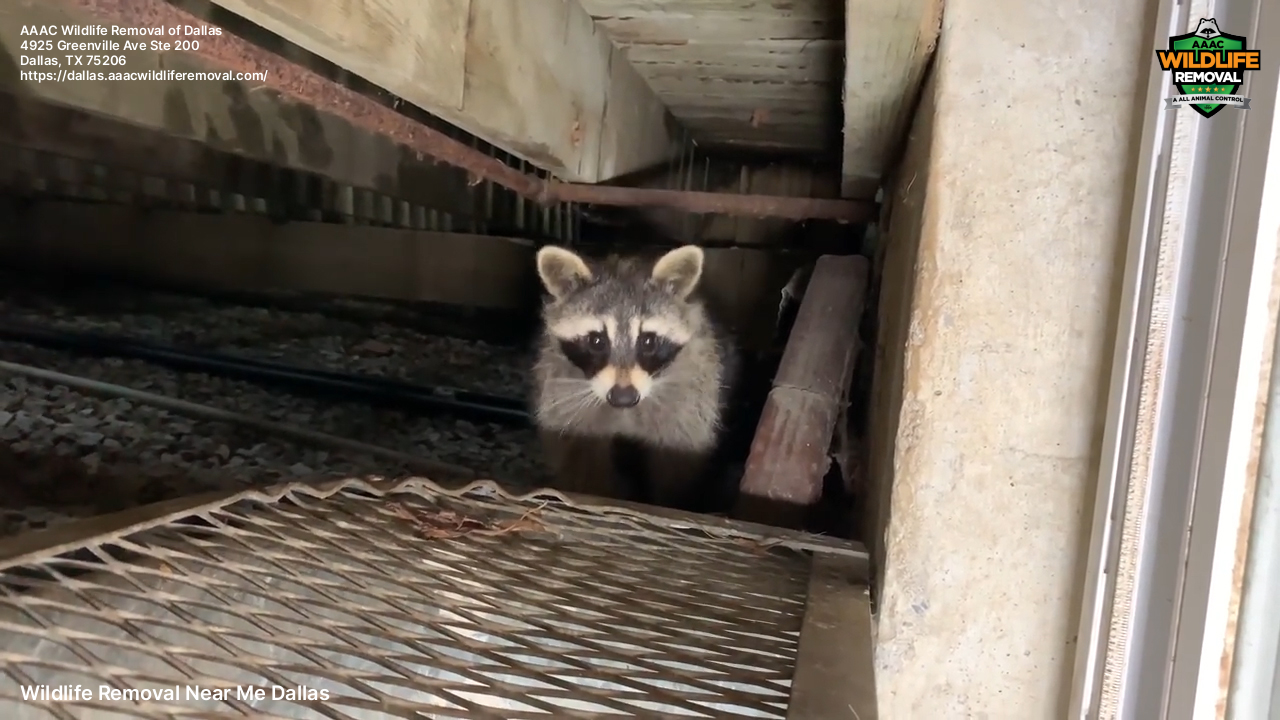
Raccoon removal after storm damage: A fallen branch peels back a ridge shingle. A raccoon exploits the weak spot within days. The right response is night inspection for activity, chimney cap check, removal of droppings from any identified latrine, a one-way door if needed, and sheet-metal repair under the ridge cap, mechanically fastened. Trapping may be justified in urban zones where raccoons are trap-savvy and return to the same den repeatedly. Any plan that relies on foam and hope will fail by the next cold front.
Wildlife exclusion, the unglamorous hero
Exclusion is the heart of wildlife control. It is also where do-it-yourself efforts most often stumble. A few realities that professionals internalize: animals feel air movement and home in on pressure differentials; they follow edges; they widen small gaps with persistence; and they test repairs within days. An exclusion that looks tidy but leaves a thumb-width void at the fascia return is an invitation. Installers must think like water and like a rodent, reading how the roof sheds rain and where a squirrel can gain purchase with its incisors.
Materials matter. Plastic vent covers get brittle and crack. Light screening kinks and leaves sharp edges that let birds snag nesting material. Compressed steel wool rusts and stains siding. Good wildlife exclusion uses corrosion-resistant metal, mechanical fasteners in addition to adhesive, and sealants that remain flexible in freeze-thaw cycles. On masonry, proper anchoring prevents rattling that attracts attention. On vinyl, you must spread load so you do not collapse slats. In attic vents, back the decorative louver with welded wire. Over ridge vents, use a positive-lock cover designed for your shingle profile, not a generic cap.
When is trapping appropriate, and when is it a mistake?
Trapping has its place, but it is not a cure-all. Positive-set trapping, where the device sits over the active hole, captures only the animal using that route. It prevents collateral capture of non-target wildlife and neighborhood pets. Baited ground traps, by contrast, can pull curious skunks or feral cats you never intended to catch. In dense suburbs, live traps become magnets for the wrong species. Trapping also introduces legal questions: some states require daily checks; others forbid relocation beyond property lines; some require euthanasia on site. A competent wildlife operator knows those statutes by memory.
For bats, trapping is inappropriate. For protected birds during active nesting, it is illegal to disturb nests. For squirrels or raccoons that have kits, trapping the mother without the young creates a welfare problem and a decomposition problem. Use traps to solve a specific behavior, not to avoid the hard work of sealing a structure.
Choosing the right professional for your problem
Homeowners do not need to memorize wildlife codes, but they should know how to vet a provider. Ask what species they believe is present and why. Listen for specifics: droppings shape, gnaw marks, grease rubs, time-of-day noises. Ask for a written scope that includes wildlife exclusion, not only wildlife trapping. For bat jobs, ask about maternity season timing and how many one-way exits they plan to install. For raccoon removal or squirrel removal, ask what materials will reinforce chewed areas. If a company promises to “spray for bats” or “treat raccoons,” keep looking.
Here is a short checklist to frame the decision.
- Do they perform a full exterior and attic inspection, with photos of entry points and damage? Does the estimate center on wildlife exclusion materials and methods suited to the species? Are they clear about legal constraints such as bat maternity season or bird nest protections? Will they address sanitation and, if needed, insulation removal and replacement? Do they offer a species-specific warranty on sealed areas, and explain what it covers?
The gray area of “wildlife pest control” marketing
Search results can blur the categories. Phrases like wildlife pest control or nuisance wildlife management can accurately describe the service, but they do not guarantee the company has the right skills. Some pest firms subcontract wildlife work to specialists, which can be fine if you know who is actually on your roof. Look for proof of training with state wildlife control operator programs, membership in professional associations, and a portfolio of exclusion photos on roofs and soffits. Photos of cleanly hemmed flashing, properly caged vents, and tidy ladder setups beat generic stock images of raccoons in trash cans.
Safety, insurance, and property protection
Wildlife work involves ladders, roof walks, and tools at height. Check that the company carries general liability and workers’ compensation insurance and can show certificates on request. Roof materials vary, and a careless tech can scuff architectural shingles, crack clay tile, or dent a metal standing seam roof. Safe operators use roof pads, ladder standoffs, and soft-soled footwear, and they plan routes to minimize step counts. This matters to you the homeowner because a perfect exclusion paired with a slow roof leak from a punctured underlayment is not a win.

Aftercare: ensuring the fix holds
The first week after a wildlife exclusion is the real test. Animals return to the den site and push on repairs. Squirrels may gnaw near but not on the repair, probing for a weakness. Bats circle, then disperse to secondary roosts. Raccoons huff and paw at metal edges. Professionals schedule a follow-up inspection or at least a check-in call. If you hear faint sounds the first couple of nights, that can be normal as displaced animals try the old routine. Persistent noise means a missed gap. A good warranty gets the crew back without debate.
Longer term, trim trees back at least six to eight feet from the roof. Replace flimsy soffit vents with baffled, screened versions. Keep pet food indoors at night. Rodent-proof your compost. Clean gutters so fascia wood does not rot and invite chewing. Wildlife exclusion succeeds when the house resists both teeth and habit.
When you can handle it yourself and when you should not
Homeowners can safely handle small prevention tasks. Seal quarter-inch gaps with proper materials, cap foundation vents with welded wire, use chimney caps rated for sparks and wildlife, and add door sweeps to garage entries. If you have signs of bats, raccoons, or a strong odor of urine in the attic, step back. Bat removal without training often ends in trapped animals https://mylesxwgj298.trexgame.net/wildlife-pest-control-for-chimneys-and-vents and a smelly attic. Raccoon handling is risky, particularly if a female is nursing. For mice, you can set traps and seal pencil-size gaps around pipes, but if you still hear larger footfalls at dusk and dawn, assume squirrels and call a wildlife pro.
Why the distinction matters for communities
Mismanaged wildlife issues ripple beyond the house. Relocating a sick raccoon to a public park spreads disease. Poisoning rats without sealing entry points feeds carcasses to neighborhood owls and hawks, which then suffer secondary poisoning. Botched bird nest removals during breeding season draw fines and public anger. Done properly, wildlife control preserves healthy urban ecosystems by setting firm boundaries at structures and letting animals live wild elsewhere. Pest control done well reduces allergens and disease vectors inside the home. Each discipline protects human health, just by different means and mandates.
Bringing it all together
If you hear scurrying in the attic, see droppings on the deck, or find a bat in a bedroom in the middle of the night, pause before booking the first “pest” ad you see. You might need a pesticide license holder with great baiting technique, or you might need a ladder-savvy craftsperson who understands wildlife behavior and the building envelope. The signs point you in the right direction. Noises at dusk near the roof, insulation kicked into little trails, and daylight through a soffit gap suggest wildlife removal with a focus on exclusion. Trails along baseboards, night movements in the kitchen, and tiny droppings near dog food suggest pest control with sanitation and traps.
The right professional will ask precise questions, show you photos of the problem, and propose a plan that respects both the structure and the species. That plan might include wildlife trapping in a narrow, legal, and humane way, but it will always hinge on wildlife exclusion and repairs that a determined animal cannot defeat. When the dust settles and the nights are quiet again, you will know the difference by what remains. A good pest control program leaves you with cleaner cabinets and fewer insects. Good wildlife control leaves your home tighter and stronger than it was before the animal ever found it.